Banh Xeo Is a Vietnamese Crepe. In Seoul It Comes With Kitchen Scissors.
A 31,000-won set for three on the second floor of a building next to a coffee chain in Sindang. The crepe is the size of the plate. The scissors are the Korean part.
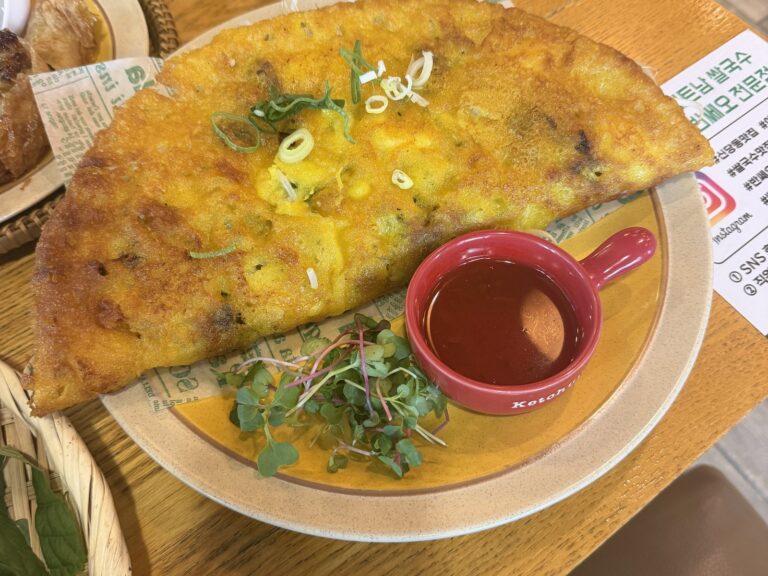
A 31,000-won set for three on the second floor of a building next to a coffee chain in Sindang. The crepe is the size of the plate. The scissors are the Korean part.
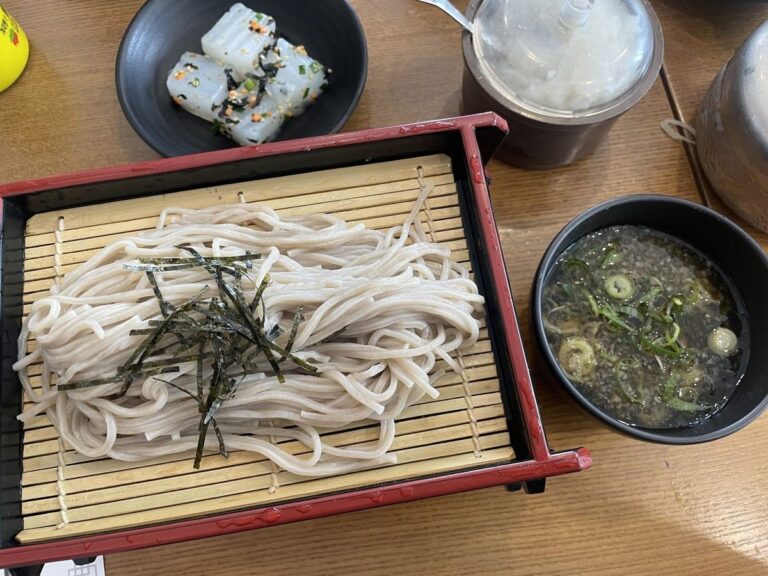
A buckwheat noodle place on the second floor in Sinsa-dong, open since 1961. Four versions of the same noodle, all translated on the menu board, and the translations tell you nothing useful. One of them arrives as parts you are expected to assemble. Here is what is in each.
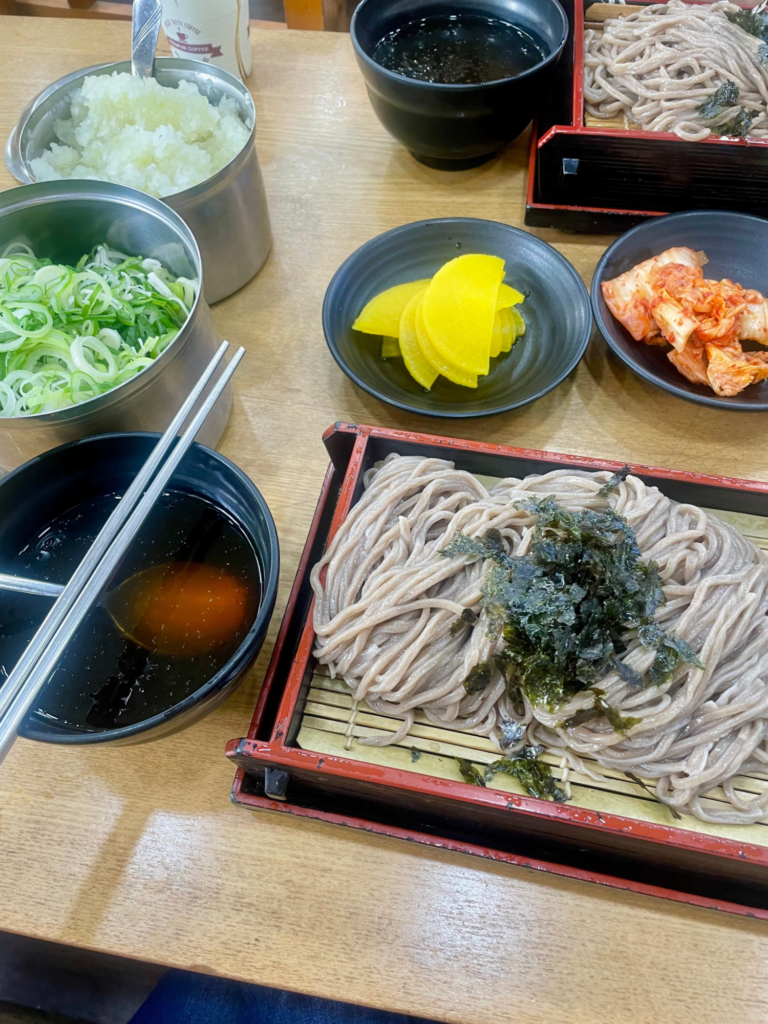
The kettle came to the table first. I thought it was tea. I poured some into the paper cup and drank it. It was broth, and it was cold. Nobody told me. At a momil restaurant, nobody tells you anything. I ordered pan-momil. It came on a bamboo tray, two piles of gray-brown noodles, cold….
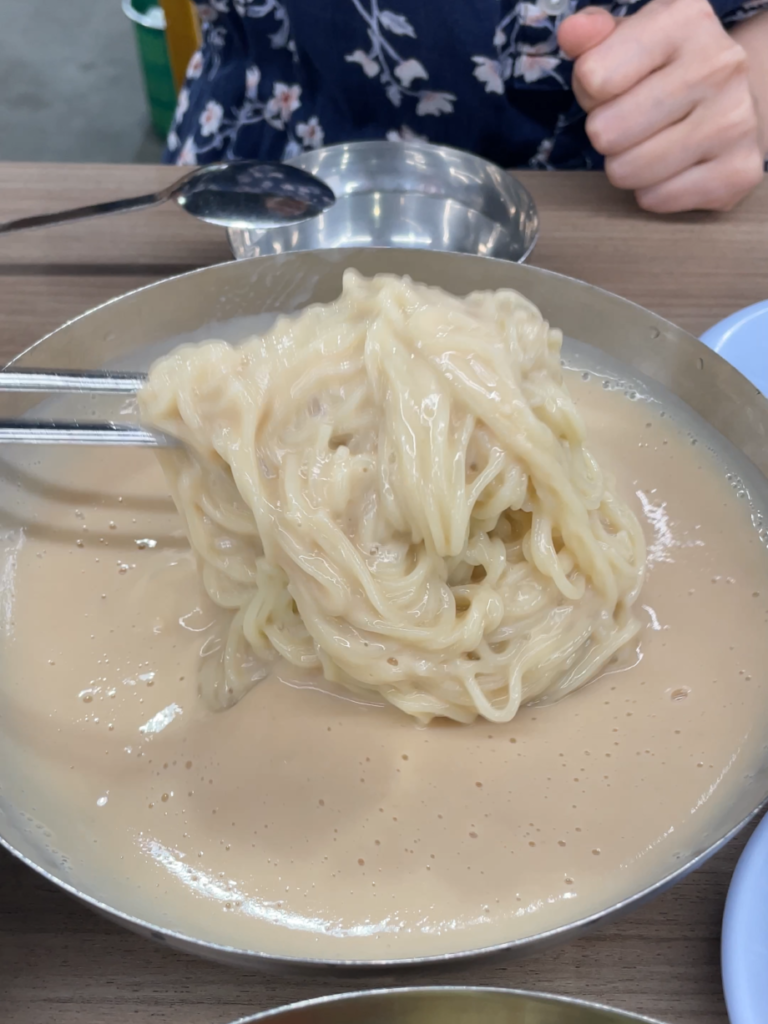
Kongguksu is sold for about three months a year and seasoned at the table, which is where the trouble starts. Most of Korea adds salt. Jeolla adds sugar. Nobody has ever changed sides.
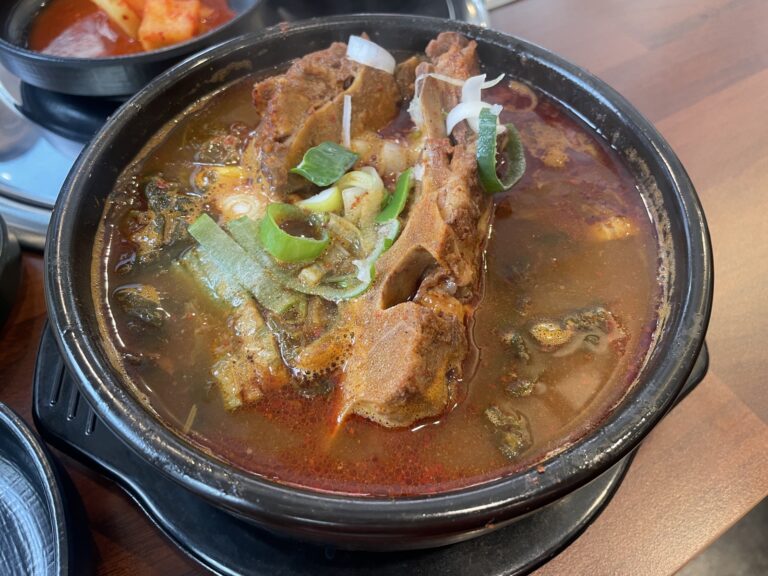
Gamja means potato, but the pot is mostly pork spine bones. Nobody can explain the name, including Koreans. What ugeoji is, and why the bones — not the spice — are the hard part for foreigners.
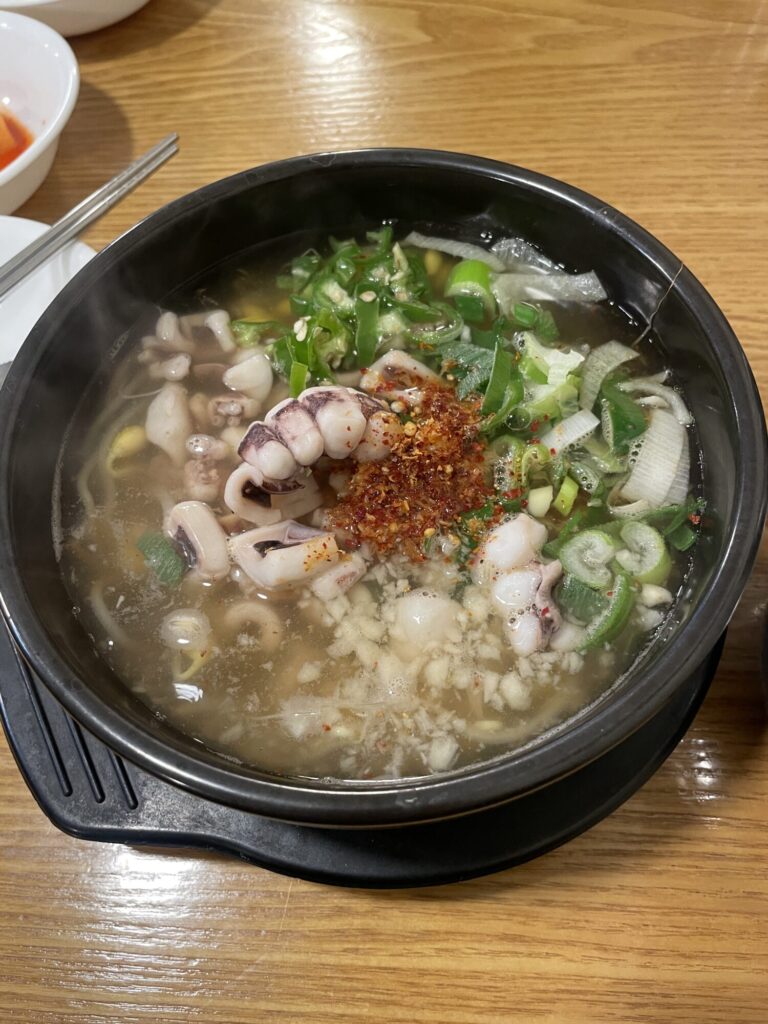
Nambu style or boiled style — same soup, same price, and nobody explains the difference. What toryeom is, what to do with the sueran, and why the 7 a.m. customers are all sitting alone.
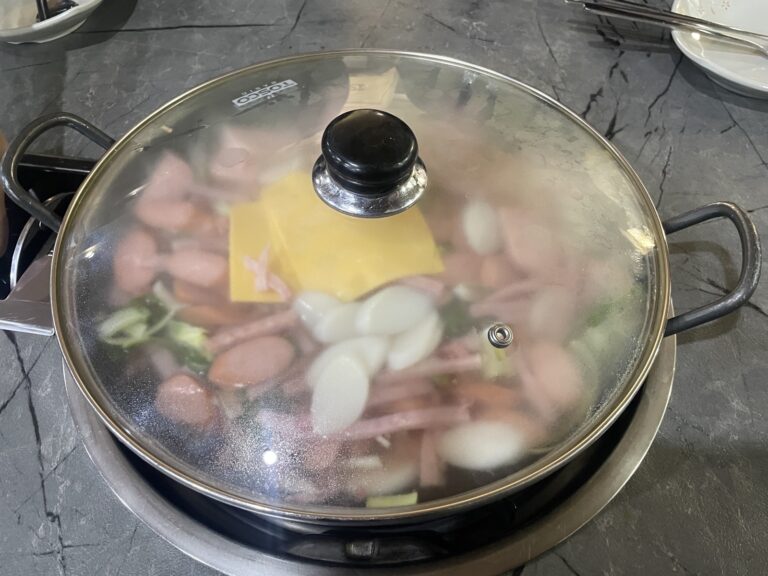
Army base stew started with surplus processed meat from US bases after the Korean War. Now we pay extra to add more spam. Why Uijeongbu and Songtan went in different directions, and why someone always has to control the pot.
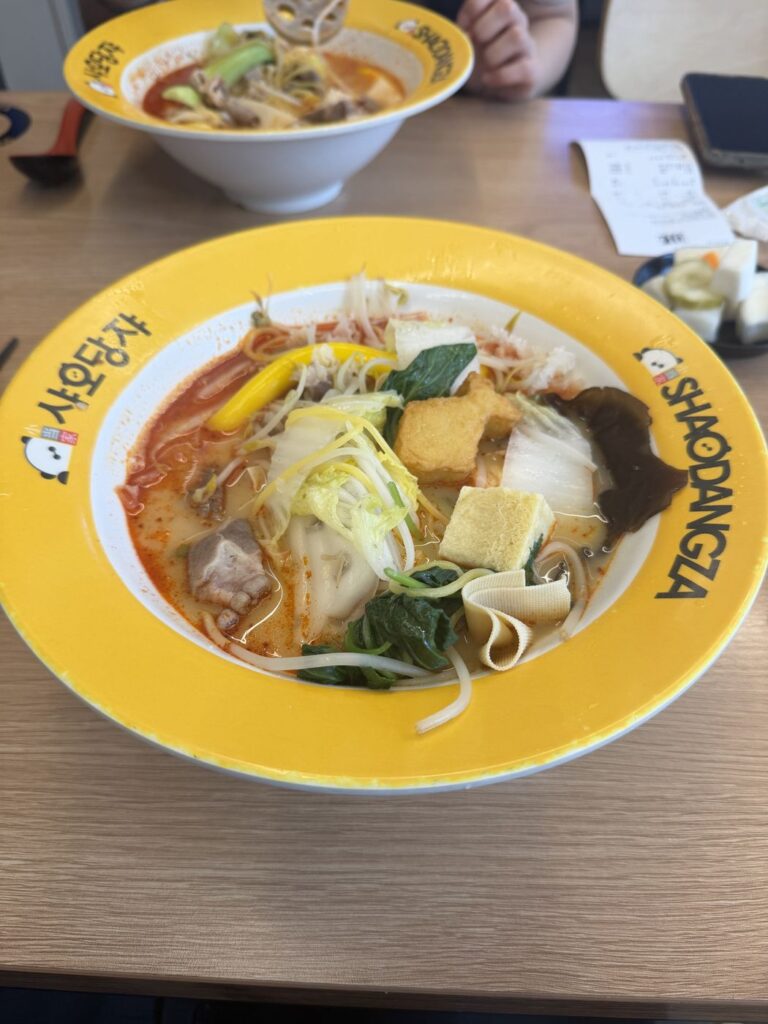
Malatang is on every block in Hongdae and nowhere in the office districts. A Sichuan dish that split Seoul by age — and how to order it without overpaying like I did.