Dakdoritang vs. Dakhanmari: Two Korean Chicken Dishes, Two Different Ways to Eat
Dakdoritang and dakhanmari both bring chicken to the table in a pot, but the meals feel quite different. One is red and peppery, with the seasoning cooked into the dish. The other starts with clear chicken broth, with a dipping sauce alongside it.
Dakdoritang: a peppery chicken stew
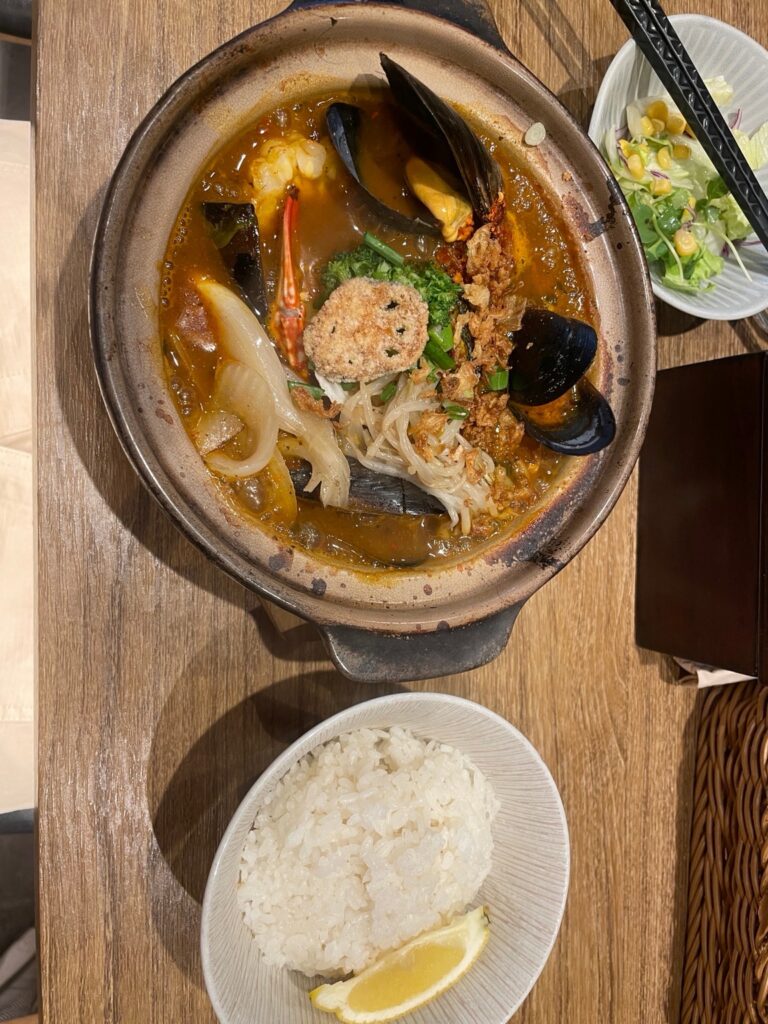
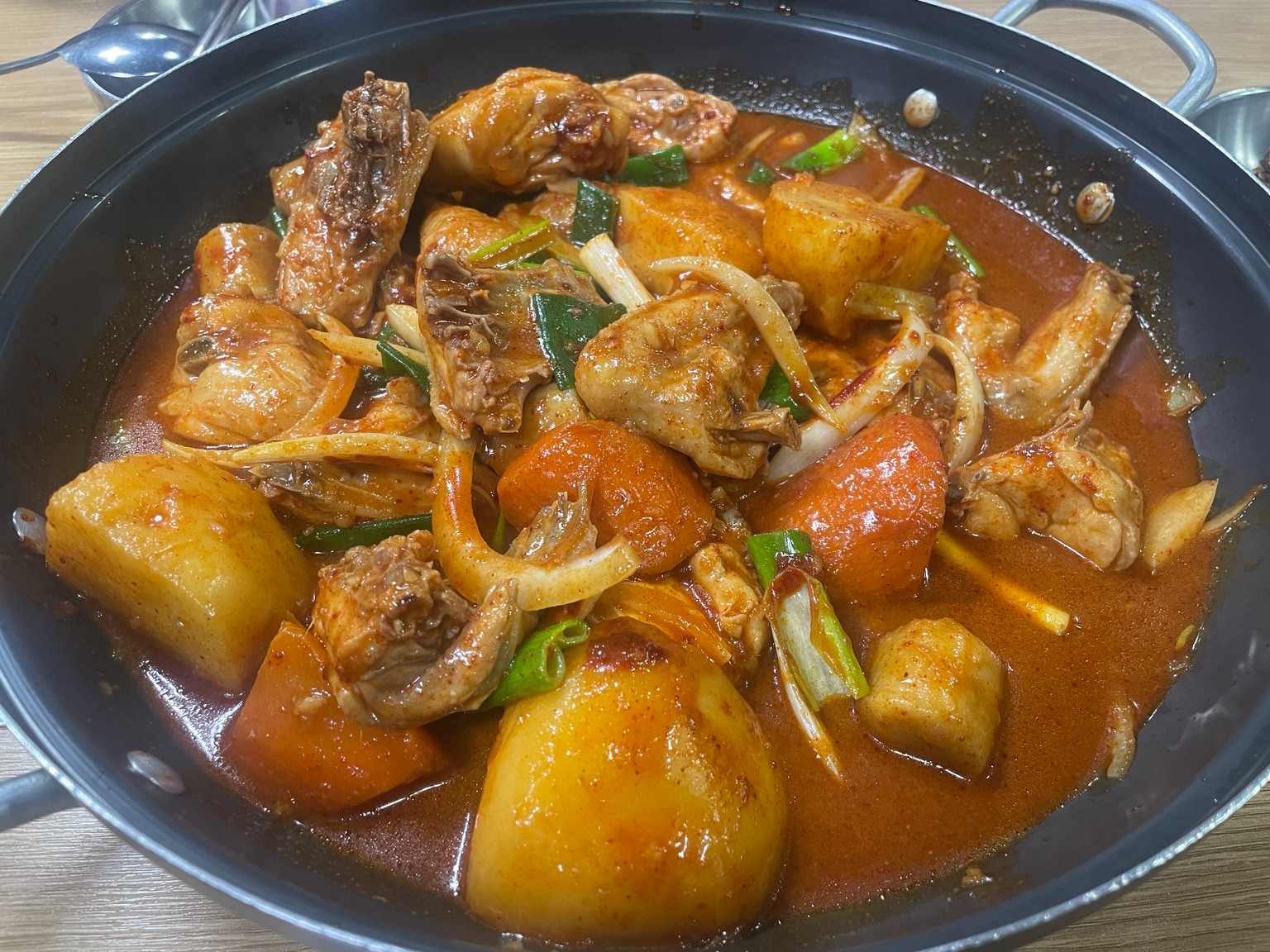
Dakdoritang, also called dakbokkeumtang, is made with chicken pieces simmered in a red-pepper seasoning, often with potatoes and onions. In Korean, I would describe it as kalkalhan: a warming, peppery kind of heat.
The chicken and vegetables cook in the seasoned broth or sauce. It is a meal to enjoy with rice, though the heat and amount of liquid vary from one restaurant to another.
Dakhanmari: a whole chicken, cut at the table
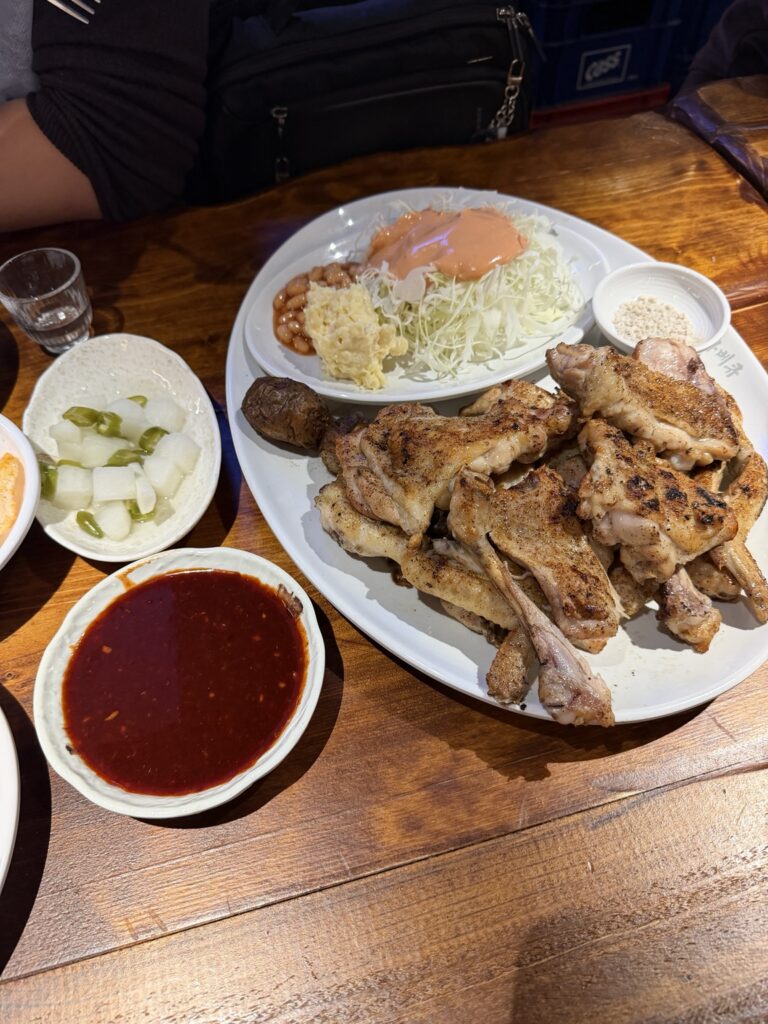
The whole chicken is a signature part of dakhanmari. A chicken arrives in a pot of clear broth, and staff cut it into pieces with scissors at the table. You then dip the pieces into sauce as you eat. That sequence is part of what I want to convey when introducing this dish.
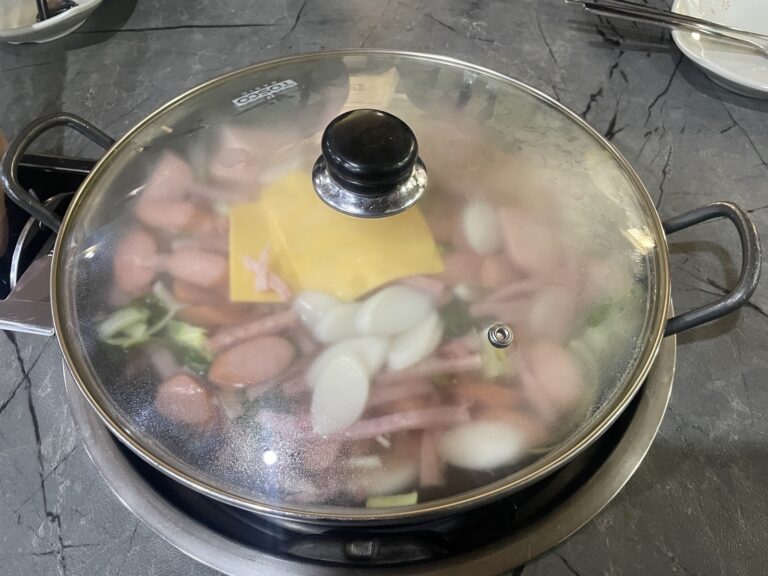
The photos here show the chicken already cut into pieces, and rice cakes being added to the pot.
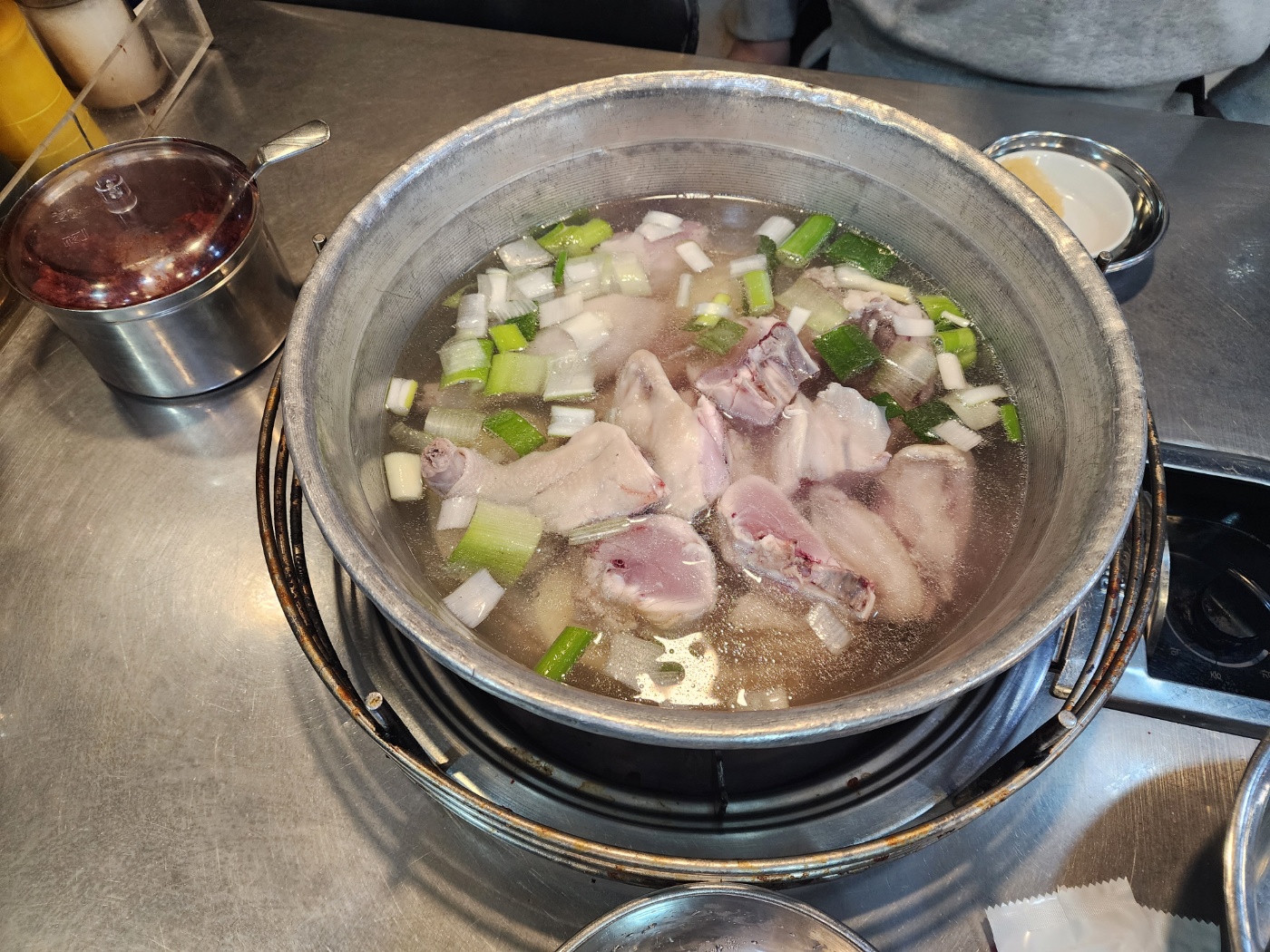
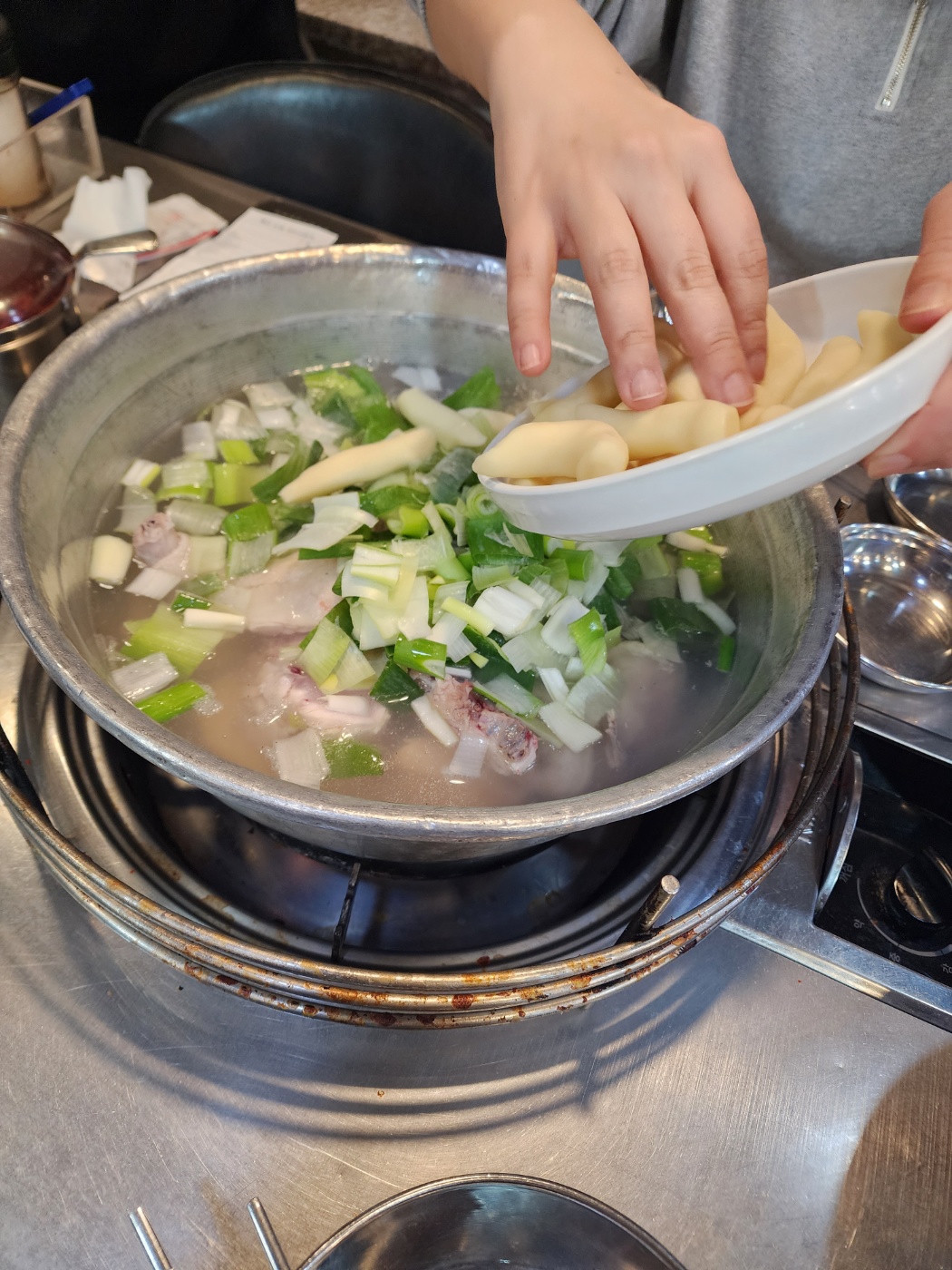
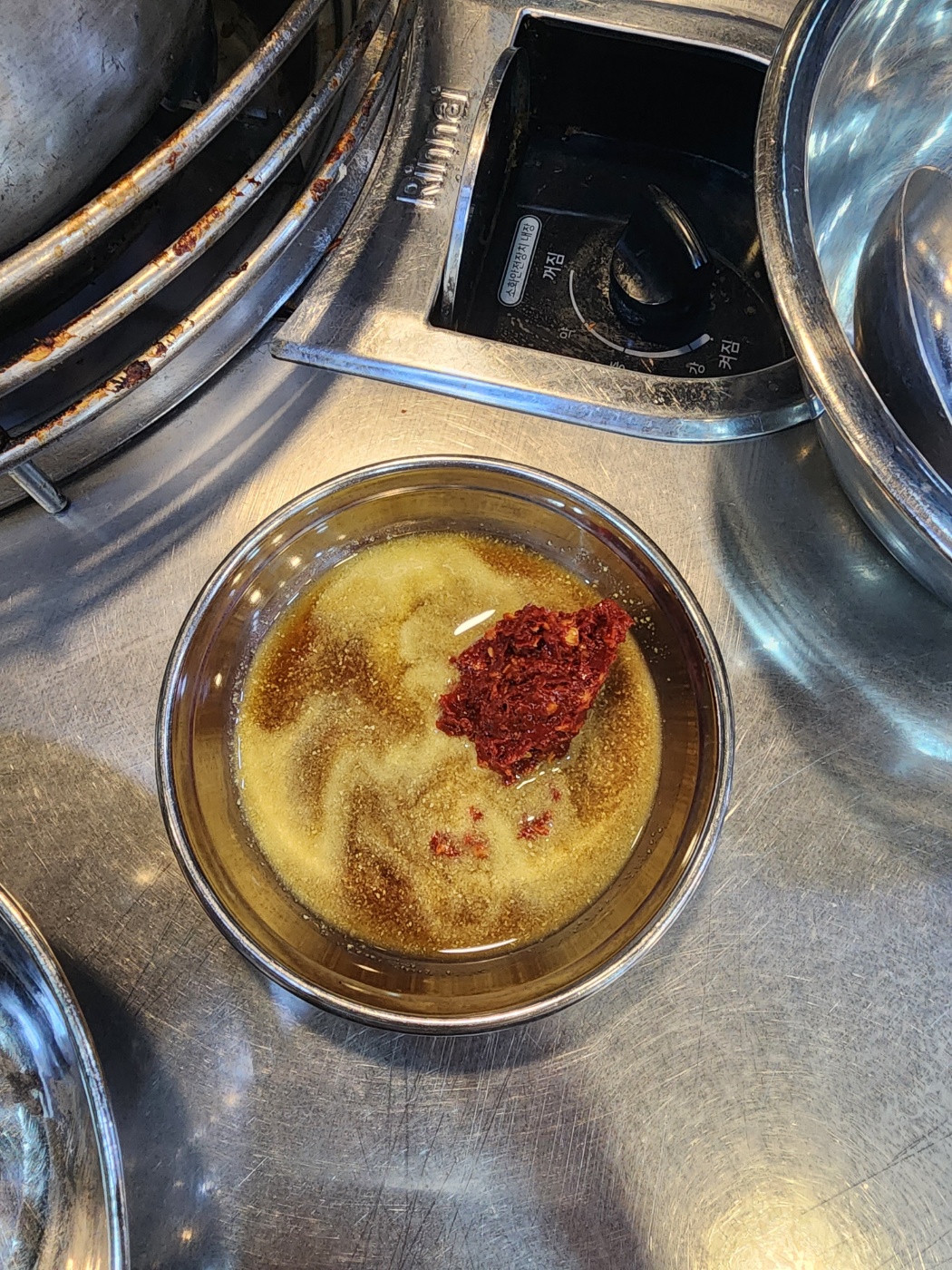
Unlike dakdoritang, the broth does not start with the same red, spicy seasoning. The dipping sauce is an important part of the meal: the chicken and broth can stay relatively mild while the sauce adds a stronger flavor to each bite. Sauce recipes vary, so the one pictured here is an example rather than a recipe for every restaurant.
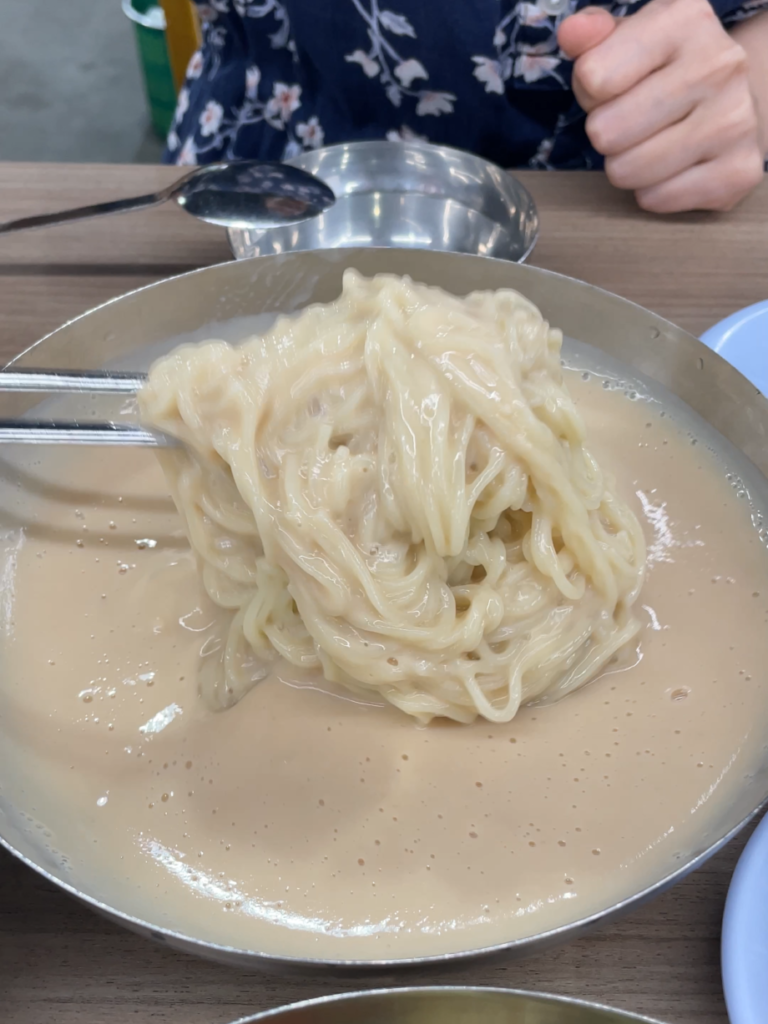
Potatoes, green onions and rice cakes may accompany the chicken. Kalguksu, or knife-cut noodles, can also be added to the broth afterward, depending on the restaurant and what you order.
The difference is also in how you eat
With dakdoritang, the peppery seasoning is already in the pot. With dakhanmari, you have the clear broth, the chicken cut at the table and the sauce for dipping.
If you are choosing between them, think about which kind of meal you feel like: chicken simmered in a spicy red sauce, or chicken in clear broth with flavor added bite by bite.
Food references: Korea Tourism Organization, dakbokkeumtang and dakhanmari.